Categories
Recent Posts
Signs of a Bad Circuit Breaker and When to Seek Repair
April 6, 2020
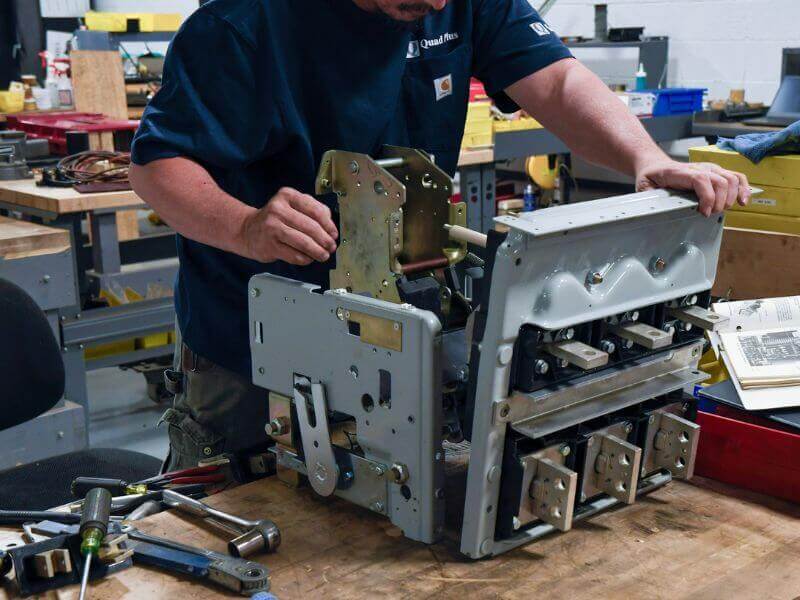
Power distribution and switchgear equipment are critical to the operation of your business, and the heart of every power distribution system is circuit breakers. These devices are responsible for protecting your crew from injury and your equipment from damage, so it’s easy to see why spotting signs of trouble is critical. Learn how to spot the signs of a bad circuit breaker so you know when it’s time to repair it.
Signs of a Bad Circuit Breaker in Industrial Equipment
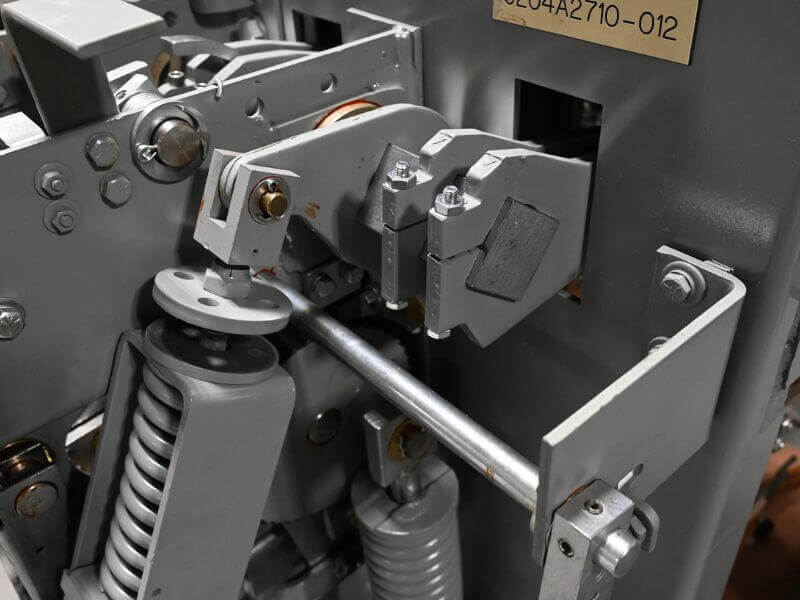
Industrial circuit breakers are built to protect your equipment and personnel, but they do wear out over time and fail under certain conditions. Recognizing the early warning signs of a bad circuit breaker can prevent costly downtime, equipment damage, or even fire hazards.
Below are the most common symptoms that indicate a breaker may be failing and when it’s time to call an expert for inspection or repair.
1. Frequent Tripping as a Sign of a Failing Circuit Breaker
Frequent tripping may be annoying, but it’s a good sign as it means the circuit breaker is doing what it’s designed to do: cut off the electric supply when excessive current is detected. Of course, you’ll still need to get to the bottom of the problem, and there are several common reasons why an industrial circuit breaker is repeatedly tripped. So, why does my circuit breaker keep tripping? Let’s take a look.
First is a short circuit fault, which occurs when there is contact between a neutral and live conductor. The result is a current that may exceed the rated value, triggering the mechanism to clear the fault and prevent fire or damage to the equipment. Another cause may be a ground fault that occurs when a live conductor touches a conductive surface outside the circuit. Lastly, the wrong breaker may be installed for the application.
A breaker that has been repeatedly tripped can become worn and weak, potentially tripping before it needs to. If a breaker continues to trip after the fault has been fixed, it may also need to be replaced. While all of these problems may not be signs of a bad circuit breaker, you’ll still need an industrial circuit breaker repair expert to find the root of the problem to prevent future outages.
2. Burned Circuit Breaker Indicates Immediate Repair Needed
Any time burning or scorching is visible, or a burning smell is detected, this should be considered an emergency. These signs may be visible on the breaker itself or on the device being used. Power should be disconnected immediately, as wiring could be damaged, and continued use could lead to a fire.
There are many causes of a burning smell or evidence of scorching around a breaker. In some cases, the reason is simply a defective breaker that can be replaced. Corrosion and moisture can also cause a breaker to overheat, as well as overloaded circuits, power surges, and arc-faulting. Regardless of the cause, any visible signs of a bad circuit breaker should result in de-energizing that breaker immediately to avoid a dangerous situation. An industrial circuit breaker repair expert should be contacted for help.
3. Circuit Breaker is Hot: Signs of Electrical Overload or Damage
Circuit breakers are all rated to operate within a specified temperature zone, but none of these zones include temperatures that would feel hot to the touch. There are several reasons why a breaker may heat up, including loose connections, undersized wire, a damaged breaker, or a damaged bus. Regardless of the cause, a hot circuit breaker is among the signs of a bad circuit breaker that must be resolved immediately, as continued use could lead to fire, system damage, or worker injury.
In some cases, a hot circuit breaker may be improperly installed or otherwise defective, and it can be pulled and replaced to solve the problem. In other cases, you’ll want to get in touch with an industrial circuit breaker repair professional to diagnose the issue, as it may be broader than just the breaker. For example, if the bus is discolored or there is evidence of arcing damage, other factors contributing to the failing breaker may need to be discovered and solved. Another example would be an overloaded circuit, which would require a more detailed solution to reduce the load on the current.
Why Ignoring Signs of a Bad Circuit Breaker Can Be Dangerous
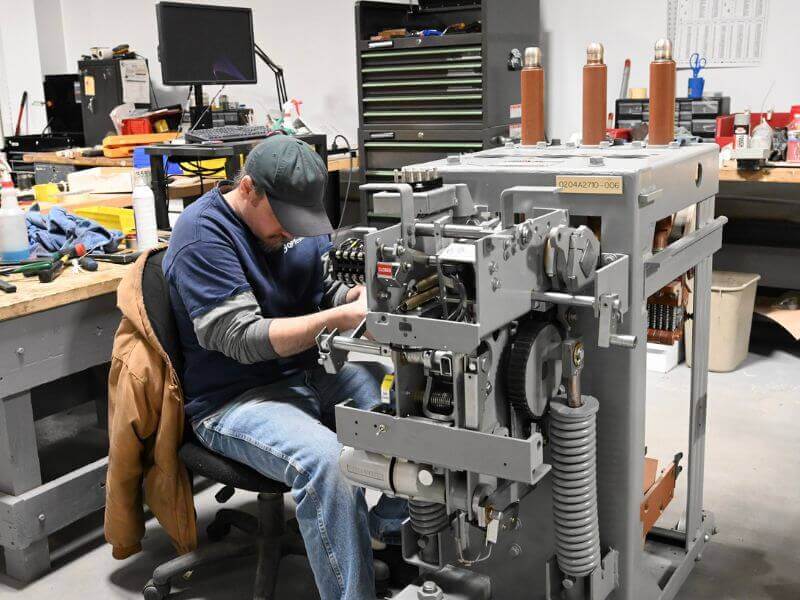
A faulty or repeatedly tripping circuit breaker is more than an inconvenience. It is a clear warning of an underlying electrical problem. When a breaker continues to trip or shows signs of overheating, it may point to issues such as damaged insulation, loose connections, or excessive current flow.
Ignoring these warning signs of a bad circuit breaker allows small issues to worsen. Faults can quickly escalate into arc flashes, equipment damage, or electrical fires. Breakers are designed to protect both equipment and personnel. When they fail to perform correctly, that safety barrier is lost. Prompt testing of breakers, inspections, and repairs from a qualified industrial circuit breaker technician is essential to prevent dangerous failures.
Unchecked electrical faults can also affect upstream and downstream components, such as transformers, motors, and control panels. When protective devices malfunction, the resulting cascading faults may interrupt production lines or disable critical safety systems.
Preventive Maintenance to Detect Signs of a Faulty Circuit Breaker
Preventive maintenance is the most effective way to identify and correct signs of a bad circuit breaker before they lead to breakdowns and costly downtime. Regular inspections and testing ensure circuit breakers continue to operate within their design limits, protecting both personnel and equipment from dangerous faults.
Testing intervals are typically based on equipment age, operating environment, and duty cycle. High-load or high-temperature applications generally require more frequent assessments to maintain reliability.
A structured circuit breaker maintenance program should include:
- Visual Inspection. Check for discoloration, corrosion, or loose connections that may indicate overheating or arcing.
- Mechanical Operation Test. Verify that manual and automatic operations function smoothly without sticking or hesitation.
- Electrical Testing. Perform insulation resistance, contact resistance, and trip timing tests to confirm proper performance.
- Cleaning and Lubrication. Remove dust and debris, then lubricate moving parts according to the manufacturer’s specifications.
- Documentation and Trending. Record all test data to establish performance baselines and identify early signs of wear.
Scheduling breaker maintenance improves reliability and extends equipment life. It also supports compliance with NFPA 70B and NETA standards. Partnering with a qualified industrial circuit breaker service provider ensures each inspection follows industry best practices and helps detect minor faults before they escalate into major system failures.
Retrofit and Modernization Solutions for Aging Circuit Breakers
Many industrial facilities still rely on legacy circuit breakers and switchgear that have been in service for decades. While these systems were built to last, aging components, limited part availability, and outdated protection technology can lead to reliability and safety issues.
Quad Plus offers retrofit and modernization solutions that extend the life of existing equipment while improving performance and compliance. Retrofitting is a cost-effective alternative to full replacement, allowing you to upgrade critical components without major system downtime.
Common upgrades include:
- Trip Unit Upgrades. Replace obsolete electromechanical trip devices with modern solid-state protection.
- Control System Integration. Add digital metering, remote monitoring, and communication capabilities for better system oversight.
- Contact and Mechanism Replacement. Renew worn internal parts to restore breaker timing and consistency.
- Obsolete Parts Sourcing. Access a wide inventory of refurbished components for older breakers from GE, Westinghouse, ABB, Eaton, and other major brands.
By combining retrofit capabilities with full diagnostic and testing services, Quad Plus helps operators bridge the gap between legacy systems and today’s reliability standards.
Quad Plus: Expertise in Industrial Circuit Breaker Repair
With decades of field experience, Quad Plus delivers professional circuit breaker repair backed by advanced diagnostic tools and PEARL-certified technicians. Our 17,000 square foot repair facility is equipped to service a wide range of low-, medium-, and high-voltage breakers following ANSI/IEEE and NETA Standards.
Every repair or reconditioning uses OEM or manufacturer-approved parts to ensure lasting reliability and performance. Whether you’re addressing the signs of a bad circuit breaker or maintaining a full switchgear lineup, Quad Plus provides precise service that keeps your power distribution system operating safely and efficiently.
Industrial Circuit Breaker Repair for Persistent Faults

If your circuit breaker is hot or showing signs of a bad circuit breaker, such as overheating or tripping repeatedly, it’s time to have it inspected by professionals.
The Quad Plus team provides expert industrial circuit breaker repair and testing services to restore performance, prevent downtime, and maintain system safety. Contact us today to schedule an evaluation and keep your electrical equipment operating reliably.
Frequently Asked Questions
Frequent tripping often points to overloads, short circuits, or ground faults. It may also result from deteriorated insulation, loose connections, or aging breaker components that can no longer handle rated current reliably.
Yes. Repeated tripping is one of the many signs of a bad circuit breaker that causes electrical stress. Stress can overheat wiring and components, reducing equipment life. Repeated tripping can also lead to insulation breakdown or contact wear in both the breaker and connected machinery.
Yes. Buzzing can signal loose contacts, failing coils, or internal arcing, all of which require immediate inspection. Ignoring this sound and other signs of a bad circuit breaker can lead to severe electrical faults or breaker failure.
Normal trips occur under predictable overload or fault conditions. Signs of a bad circuit breaker may include irregular tripping with no clear cause, inconsistent reset behavior, visible damage, or abnormal head or sound during operation.