Comprehensive Grounding System Testing Services
Reliable Grounding, Reliable Systems

The safety of your crew and equipment is always the priority. Electrical systems depend on safety devices and good grounding. We provide the grounding system testing you need to ensure these safety systems are ready to protect you. We can perform fall of potential, point-to-point, and clamp-on testing.
Why Checking Your Grounding System is a Safety Must

How Testing Your Grounding System Safeguards Your Team and Equipment
Faulty grounding connections can have disastrous consequences, including equipment damage and worker injury. Proper grounding system testing helps ensure you never face these consequences. We check for loose connections, including bolts, neutral points, and main bonding connections.
Effective grounding testing confirms that exposed conductive surfaces remain at or near earth potential during fault conditions. This reduces touch and step potential hazards that can place personnel at risk. For equipment, verified grounding paths help prevent voltage stress on insulation systems, reduce nuisance tripping, and limit damage to sensitive electronic components during transient events.
Grounding system testing also verifies the integrity of the bond between structural steel, equipment enclosures, raceways, and grounding conductors. Inconsistent bonding can create unintended voltage differences between adjacent surfaces, increasing the risk of exposure even when protective devices operate correctly. Confirming continuous bonding helps ensure all conductive components respond uniformly during fault and transient conditions.
Our Method for Keeping Your Grounding System in Top Shape
Grounding system testing methods are selected based on system configuration, site conditions, and access limitations. Fall of potential testing is typically used when a true electrode-to-earth measurement is required and isolation is possible, while point-to-point testing verifies bonding continuity across equipment and structures. Clamp-on testing is used when disconnection is impractical or when parallel paths exist.
Using the appropriate method for each scenario helps ensure results accurately reflect true grounding performance rather than test limitations.
Proper Energy Dissipation
Fall of Potential Testing
Using three points on a ground grid, this test measures the resistance to ground to confirm proper dissipation.
Good Operation Across Points
Point-to-Point Testing
Using a verified reference point, each piece of equipment is tested to confirm it is properly tied to the grounding grid.
Selective Resistance Measurements
Clamp-On Testing
Using a single point on the grid, a tester is clamped into a loop around that point to measure the resistance at that point.
The Perks of Regular Grounding System Check-Ups
Regular grounding system testing helps you maintain electrical safety, reliability, and compliance over the long term. By identifying changes in resistance early, issues can be addressed before they affect protective device operation or expose personnel to unnecessary risk.
Regular testing also enables evaluation of grounding performance under changing site conditions, including seasonal soil moisture variations and long-term corrosion effects. By maintaining accurate test records, facilities gain a clearer understanding of how their grounding system behaves over time, rather than relying on assumptions based on a one-time installation.

How We Make Sure Your Grounding System is Up to Standard
When it comes to the safety of your workers and equipment, the bare minimum will never do. Our grounding testing goes beyond a basic clamp-on test to include fall of potential and point-to-point tests. That way, we get more accurate readings and provide a more in-depth analysis of your grounding system.
Quad Plus evaluates grounding systems against applicable electrical safety standards, site-specific design requirements, and real-world operating conditions. Testing results are reviewed in context, not isolation, allowing us to identify whether elevated resistance is localized to specific connections, conductors, or grounding electrodes.
This approach supports more accurate recommendations and targeted corrective actions when needed. Where appropriate, results can be compared to prior readings to identify drift and prioritize corrective work based on trend, not guesswork.
Protecting Your Facility from Electrical Risks with Proper Grounding
The Advanced Tools We Use for Grounding System Checks
We collect additional data to evaluate grounding performance across the full system, not just at a single point. This approach helps identify localized issues such as high-resistance connections, degraded bonding paths, and parallel return paths that can distort measurements.
Our grounding system testing equipment is designed to capture accurate resistance measurements across different grounding configurations and site conditions. By applying multiple test methods, we reduce the risk of misleading results caused by parallel grounding paths or incomplete test coverage. This layered approach enables more reliable data and a clearer understanding of the overall health of the grounding system.
When to Know It’s Time for a Grounding System Test
Grounding system testing should be scheduled whenever conditions change or risk factors increase. Common indicators include:
Scheduling grounding system testing at the right time ensures system changes and environmental factors do not compromise electrical safety. Proactive testing supports safer operations, more reliable fault clearing, and long-term protection of personnel and equipment.
Trust Quad Plus for Grounding System Testing
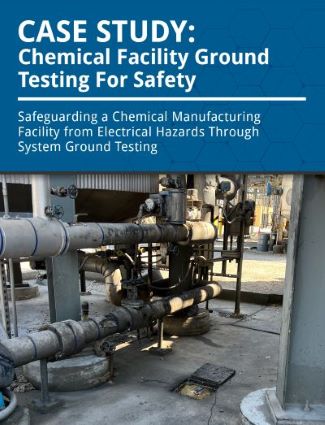
The Quad Plus team faced significant electrical grounding issues that threatened the safety and reliability of this critical chemical facility.
Starting with a thorough assessment using advanced testing equipment, we identified problem areas and developed a customized grounding plan that included additional grounding rods, enhanced connections, and routine maintenance schedules.
The result was a significant reduction in electrical resistance, delivering better overall safety, reliability, and compliance. The customer also reported fewer incidents and increased confidence in their safety protocols.
Our experience working in high-risk industrial environments allows us to approach grounding system testing with a focus on accuracy, safety, and actionable results. Rather than delivering raw test data alone, Quad Plus helps facilities understand what the results mean for system performance and risk reduction.
Ensure Safety with Professional Grounding System Testing
Proper grounding system testing is essential to maintain the safety and reliability of your electrical systems. Quad Plus provides expert testing services to ensure your grounding systems meet all safety standards and perform effectively. Contact us today to schedule a professional inspection of your grounding system.

Frequently Asked Questions
Electrical service grounding is the intentional connection of an electrical system to earth through a grounding electrode system. Its purpose is to provide a low-impedance path for fault current, stabilize system voltage, and allow protective devices to operate properly during faults or abnormal conditions. This is verified using methods such as fall of potential testing. Proper grounding reduces shock hazards, limits equipment damage, and supports the overall electrical safety system and reliability.
Electrical grounding requirements are defined in NFPA 70, Article 250. The article covers grounding and bonding methods, grounding electrodes, grounding electrode conductors, bonding jumpers, and system performance requirements. Compliance with Article 250 ensures grounding systems can safely dissipate fault current and support overcurrent protective device operation.
The cost to ground electrical systems varies widely depending on system size, site conditions, soil resistivity, and whether the work involves new installation, upgrades, or testing only. Basic grounding work may cost a few thousand dollars, while complex industrial grounding systems can require a significantly higher investment. Grounding system testing is typically more cost-effective than corrective repairs and helps identify issues before they lead to safety risks or equipment damage.